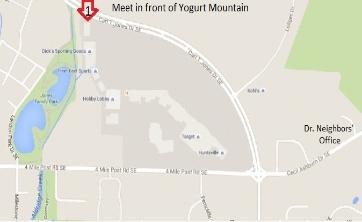
| Walk With the Doc Saturday August 12th, 7:00 am What is Lifestyle Medicine? The medical practice of prevention and wellness has a new name. It’s now recognized as a certified specialty called Lifestyle Medicine. In essence, it is a specialty that takes a scientific approach to decreasing disease risk and illness burden by utilizing lifestyle interventions such as nutrition, biblioherapy, weight loss, physical activity, stress reduction, sleep, smoking cessation, etc. Perhaps you are thinking, “Why a new specialty, isn’t that what my doctor already does?” Unfortunately, an increasing emphasis over the last fifty years on training doctors to understand and use the latest technologies diminished the time doctors had to study natural methods. While technology has brought progress it has often been at high cost and to the exclusion of time to practice more natural approaches that can often produce better results. Until more widely understood by the public and insurance companies as a valuable medical intervention, lifestyle medicine is unlikely to be widely practiced. As with most changes in society, this will take time. Fortunately, an abundance of quality research now supports the science of lifestyle medicine. Lifestyle medicine is about helping you identify habits that have created illness or will in the future. Creating a partnership to change these long held habits is the goal. Typically this begins with a diagnoses and an explanation of alternative treatments. With the will to change and a positive partnership with your doctor, amazing results are often possible without advanced technology and with fewer side effects. As you read the short list of lifestyle suggestions below, ask yourself, “which area of my life would I benefit from changing?” Prepare Food at Home Home is where you have more control over food quality. Enjoy home food preparation with in season fruits and vegetables. When they are out of season, frozen vegetables and fruits are fine. When properly stored, frozen vegetables and fruits have an advantage. Fresh produce can lose nutrients after several days of storage, while frozen produce doesn’t suffer that fate. For a special treat, shop at one of the many local farmers markets. While there, select a bouquet of locally grown flowers for a gift. It’s the guaranteed way to make someone’s day special! Eat whole grains. Be aware that few products claiming whole grains are quite as healthy as they would like you to believe. Real whole grains are seeds and that’s what they should look like. Once milled, they take other forms like cut oats and flour. The problem with milling grains smaller is that each stage of milling increases the glycemic index. Cooking with whole grains offers opportunities for delicious meals with a lower glycemic index plus many nutritional benefits. If you have never seen a wheat berry, perhaps it’s time for a cooking adventure. Try them all – wheat, oats, quinoa, barley, buckwheat, etc. Reducing portion size Reducing portion size and eating lower glycemic foods are among the top ways to take off pounds, live longer and enjoy those years with a higher quality of life. Unfortunately, few food labels show the glycemic index. To find the glycemic index of your favorite foods just set your search term to ‘glycemic index.’ Include Nuts in Diet Include nuts in your diet unless you are allergic to them. Eating a small amount of nuts a day (about 8 almonds or 6 cashews) can lower the risk for heart disease, respiratory disease, and cancer according to studies of people aged 55-65. The danger is that eating larger quantities of nuts will likely lead to weight gain. If you find it hard to only eat a few then switch to raw unsalted nuts. They may be a better choice to avoid overeating. As an alternative, only bring home the quantity you plan to eat before the next shopping trip. Stronger Relationships Having strong ties to friends and family is good for health. In contrast, loneliness can weaken the immune system, raise blood pressure and increase risk for heart attacks and stroke. Face to face social interactions often provide the most benefit. For some, pets provide a social interaction benefit. If more of an introvert, online social networking can provide some of the same benefits. Bibliotherapy Reading provides a health benefit. When a doctor recommends a book it’s called bibliotherapy – and often the best medicine available. Depending on the book you may find reading a source of mental stimulation, relaxation or simply a diversion from problems of life with no immediate solution. Books seem to provide the most benefit with newspapers and magazines a close second. A half hour a day of reading is usually about the right dose for health benefits. Exercise Walking is good. There is no pill that comes close to having all the healthful advantages exercise can provide. Just 10 minutes of brisk walking a day makes a difference. If needed, start slow and build up to 20-30 minutes a day. When out and about, avoid the easy way. Take the stairs instead of the elevators. At the store, park in the farthermost parking place so you can walk more. As a bonus, you and your car will both age more slowly. Well, at the least your car should look newer for having fewer door dings. Home Safety Know what to do if there is a fire in your home. Based on routine stories in the news, not everyone understands the importance of this advice. Most underestimate how fast a fire can envelop a home. The key is preplanning escape routes. Can you open a window if needed? Are doors blocked or locked in ways that would make them difficult to open? Most important, have you checked the battery in your smoke detector. If your smoke detector is over ten years old, it’s time to replace it. If you have a non electric heater, check the status of your carbon monoxide monitors. And of course know the radon level in your home. These are among the most common causes of unintentional deaths. Attention to Changes See your family doctor before problems put you in the hospital. Don’t wait for annual checkups to ask about a health concern. Small problems sometimes morph into a life- threatening illness. In one study, researchers found that less than 60 percent of people who developed unusual symptoms in the previous three months had seen a doctor. For example, symptoms that might point to cancer include unexplained weight loss, fever, extreme fatigue, changes in bowel or bladder habits and unusual bleeding. A patch of rough, dark skin could indicate diabetes, and a strange color on your tongue could signal acid-reflux issues. There is much more to Lifestyle Medicine. Having the best health involves many aspects of life. In a quest for better ways to help patients appreciate better eating habits, I recently completed training in “Chef Coaching” though an innovative Harvard University program. You may reasonably expect to hear more from me about preparing nutritious and healthy home cooked foods. While becoming a better home chef may seem a small part of the quest for health, it’s actually one of the major pillars of good health. Positive lifestyle changes can help improve the quality of life now and for the rest of our life. If you picked one lifestyle change, what would it be? For myself, I’m choosing a walk Saturday morning. Why not join me? Nancy Neighbors, MD Let’s take a walk Date: Saturday, August 12h Location: Jones Family Park (see map) Time: 7:00 am (Meet in front of Yogurt Mt.) Yogurt Mt. is the last store at the end of Valley Bend Shopping Center). If cloudy, bring an umbrella, we walk come rain or shine. Click here for Dr. Neighbors’ 2017 news page If you would prefer to discontinue receiving ideas about healthy living from Dr. Neighbors please phone (256) 882-6085. |